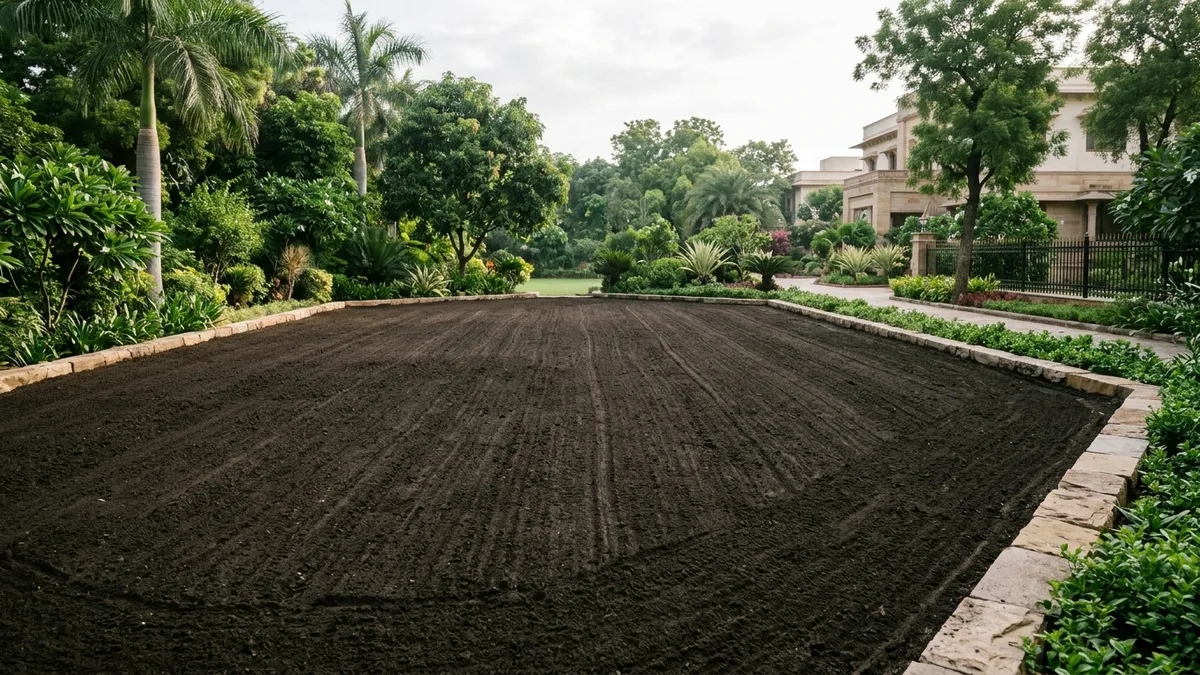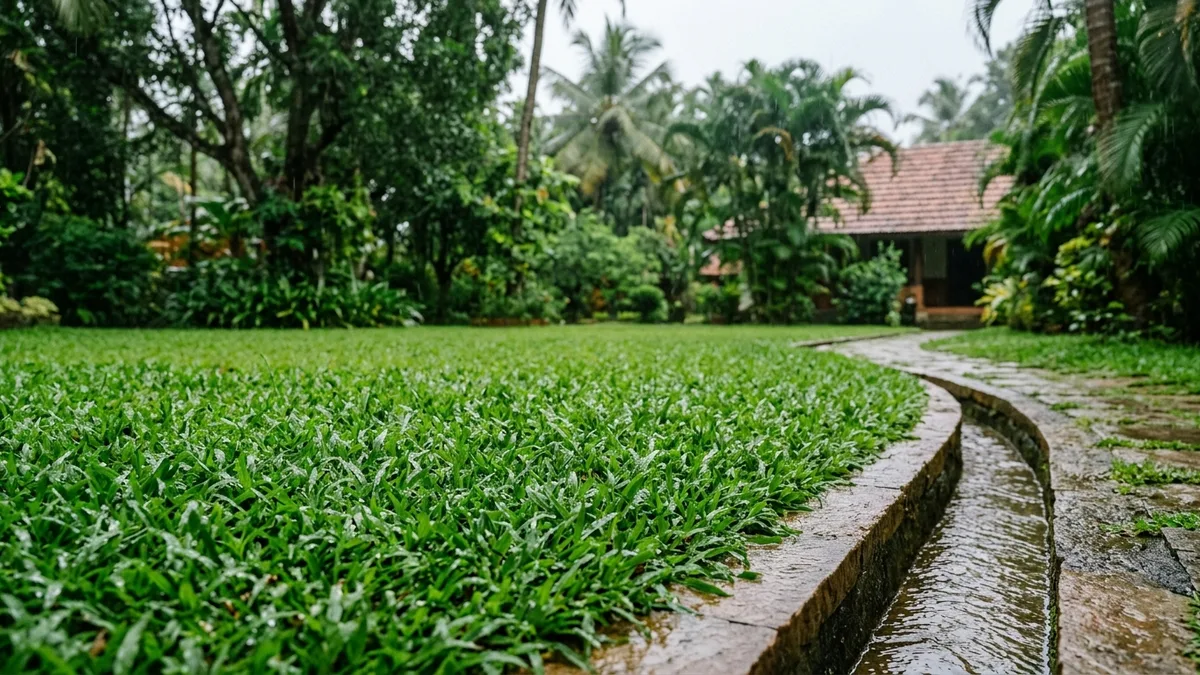
The Indian monsoon winds bring vital life-giving rain, but the consequent combination of 90%+ relative humidity and persistent high temperatures forms a breeding ground for pathogenic turf diseases. If left unmanaged, a pristine lawn can develop circular rotting patches in less than 48 hours.
Below is our critical monsoon checklist developed specifically for tropical luxury properties.
1. Anti-Waterlogging Drainage Audit
Stagnant water suffocates the active root system of grass, inducing immediate root rot.
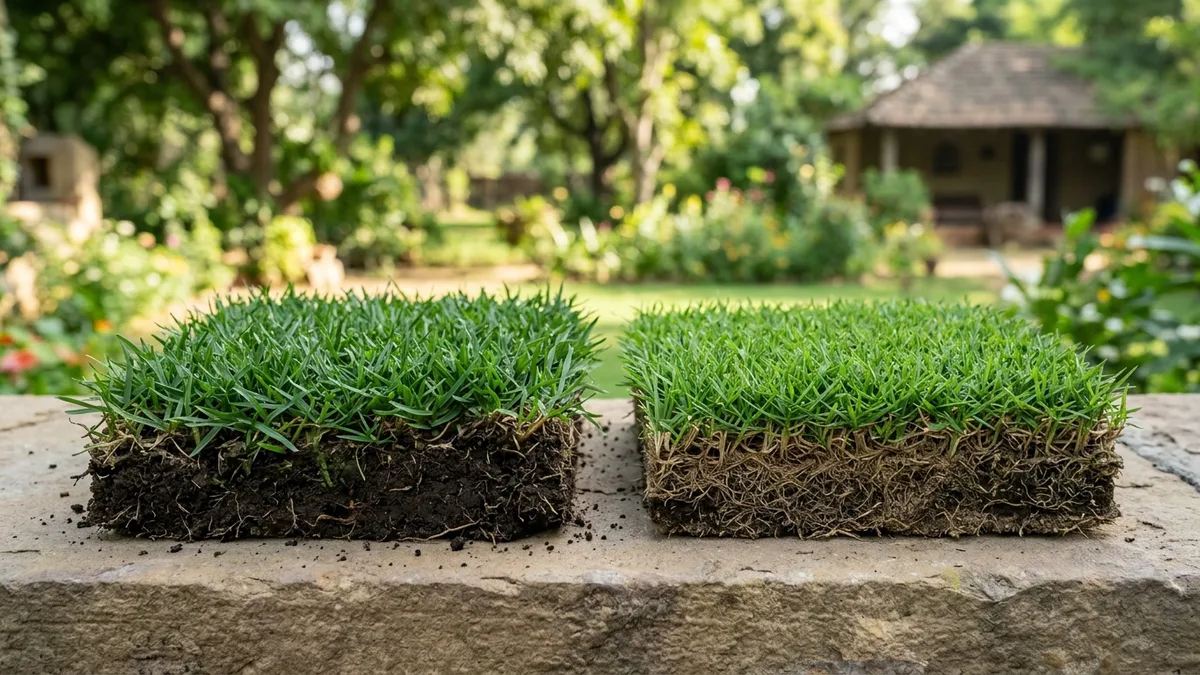
- Spike Aeration: Prior to the heaviest showers, use a hollow-tine mechanical aerator or a simple garden spike roller across your lawn. This introduces physical venting paths that funnel excess moisture down to the subsoil.
- Sump Runoffs: Ensure all drainage channels and sub-grade French drains are free of organic silt and leaf litter.
2. Mowing Adjustments
During the monsoon, grass grows at accelerated rates. However, cutting too low under humid skies is highly dangerous:
- The One-Third Rule: Never mow more than 1/3 of the length of the grass blade in a single session.
- Keep It High: Raise your mower height by 1 inch. Longer grass leaves support a thicker root system and reduce water splash soil-to-leaf contamination.
- Clean Blades: Keep mower blades extremely sharp. Ragged, torn grass tips are highly susceptible to fungal entry.
3. Fungal Blight Identification & Cure
Look out for these classic warm-season fungal outbreaks:
- Brown Patch (Rhizoctonia solani): Circles of brown, slimy grass highlighted by a dark "smoke ring" on dew-kissed mornings.
- Pythium Blight: Greasy-looking blades that mat together and smell intensely damp.
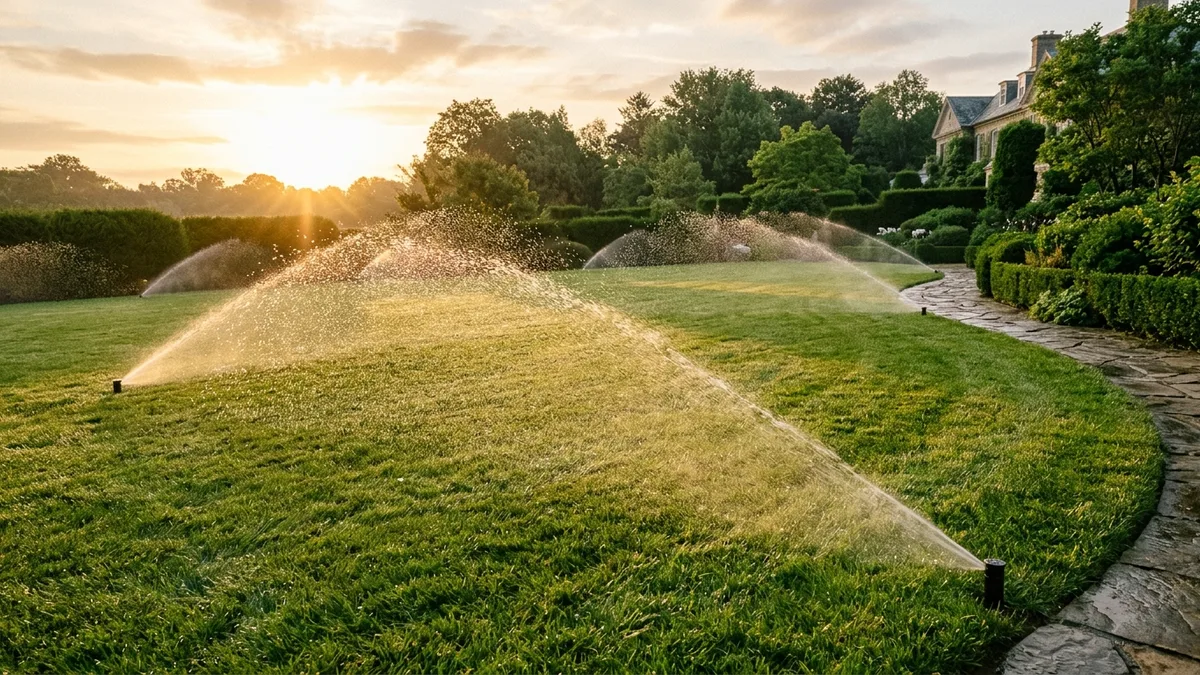
Solutions: Reduce nitrogen-based fertilizers during the peak rain months. Instead, apply organic bio-fungicides like Trichoderma viride or systemic treatments combined with protective Neem spray mixtures to build immunities. Always irrigate only in the early morning if a dry window permits, never at dusk.